Survey: factors affecting vaccination intention of nurses
The successful development of COVID-19 vaccines offers hope in ending the pandemic. As a “protective shield” for the frontline healthcare workers, vaccines facilitate the stable operation of the healthcare system. A research team co-led by a scholar from City University of Hong Kong (CityU) conducted a survey earlier on whether Hong Kong nurses were willing to be vaccinated and found that less than two-thirds of them intended to take the COVID-19 vaccine. The survey also analysed the reasons affecting their willingness to be vaccinated. The team believed that the results would provide the basis for the design of vaccination campaigns in the future.

The research team is co-led by Dr Ben Li Kin-kit, Associate Professor and Associate Head (Research) at CityU’s Department of Social and Behavioural Sciences, together with a scholar from The Chinese University of Hong Kong (CUHK). Their findings have been published in the academic journal International Journal of Nursing Studies, titled “Influenza vaccine uptake, COVID-19 vaccination intention and vaccine hesitancy among nurses: A survey”.
Nurses were invited to participate in an online survey to indicate their future vaccination intention between March and April 2020, before the roll-out of the COVID-19 vaccine. In total, 1,205 nurses responded to the survey. Their mean age was about 40 years old, 90% were female, and more than half of them worked in public hospitals, with high exposure to patients.
Despite the uncertainty of vaccine attributes such as effectiveness, side effects and duration of protection at the time of survey, 63% of the respondents indicated that they were likely to receive the COVID-19 vaccine when it becomes available. Yet, the research team pointed out that even if all these 63% of them got vaccinated, it was still insufficient to achieve herd immunity among nurses during a local outbreak. Therefore, the team anticipated that it still needs to enforce different infection control measures like wearing masks for a substantial period.
One-third of respondents show vaccine hesitancy
To understand why the respondents showed vaccine hesitancy, the team examined the result with a framework of 5C psychological antecedents. Using the 5C model, 5 factors would lead to vaccine hesitancy:
- Confidence: trust in vaccine effectiveness, safety, necessity and the system that delivers it;
- Complacency: perceived the disease as low risk, underestimate the importance of vaccines;
- Constraints: perceived low vaccine availability, affordability, and accessibility;
- Calculation: engagement in information searching. It is wise to evaluate the risks and weigh the pros and cons after searching for information, but the excessive calculation can also lead to vaccine hesitancy;
- Collective responsibility: willingness to take the vaccine for protecting others via herd immunity.
Data from the survey suggested that stronger COVID-19 vaccination intention was associated with younger age, more confidence in the vaccine, less complacency (disagree that the disease is of low risk) and more collective responsibility. The team believed that this discovery would help in designing how to promote vaccination campaigns.
Greater work stress leads to stronger COVID-19 vaccination intention
The survey also required the nurses to do a self-assessment on the level of work stress, for example, whether personal protective equipment is adequate and if they need to work in an isolation ward. The team then analysed whether work stress is related to vaccination intention. The results showed that COVID-19-related work demands were associated with greater work stress among nurses and hence stronger COVID-19 vaccination intention. “With less work stress in the post-pandemic period, the intention to take COVID-19 vaccine of nurses is likely to drop,” said Dr Li.

Considering the low infection rate in Hong Kong, the confidence in the vaccine and the moral obligation become the major drive for vaccination among nurses. “And vaccine confidence is the strongest determinant. Moreover, the Hong Kong government recently has announced that those who got vaccinated would have some privileges, this may also create a strong incentive for vaccination,” elaborated Dr Li.
Tailor-made vaccination campaigns pinpointing vaccine hesitancy reasons
The team believed that identifying groups of nurses with different types of vaccine hesitancy may help tailor-made interventions to respond to their needs, and hence increase the vaccination rate. For example, the survey found that despite age is a mortality risk factor for COVID-19 infection, older nurses were less likely than younger nurses to take the COVID-19 vaccine.
The team suggested to further study why older nurses have a higher vaccination hesitancy. Also, classifying nurses who are hesitant to be vaccinated according to their reasons may help to formulate corresponding vaccination measures to meet their needs.
“Besides, nurses are often viewed by the public as trustworthy role models. Their vaccination may build public confidence in the vaccine. If the vaccination uptake rate among nurses is low, we anticipate that promoting the vaccine to the general public will be more challenging. Also, the willingness to be vaccinated can vary in different places, affected by the scale of the epidemic and the trust in the local health authorities,” concluded Dr Li.
Moreover, this research is the first to examine the proportion of nurses with the intention of taking COVID-19 vaccine, together with their influenza vaccine uptake rate. It was found that about half of the respondents had taken the influenza vaccine. This is higher than the previous influenza vaccine uptake rate which was only about 30%. The team estimated that this increased uptake rate may due to the similarity of COVID-19 symptoms with influenza or other respiratory diseases. And influenza vaccination could reduce false diagnosis during the co-circulation period of both influenza and COVID-19.
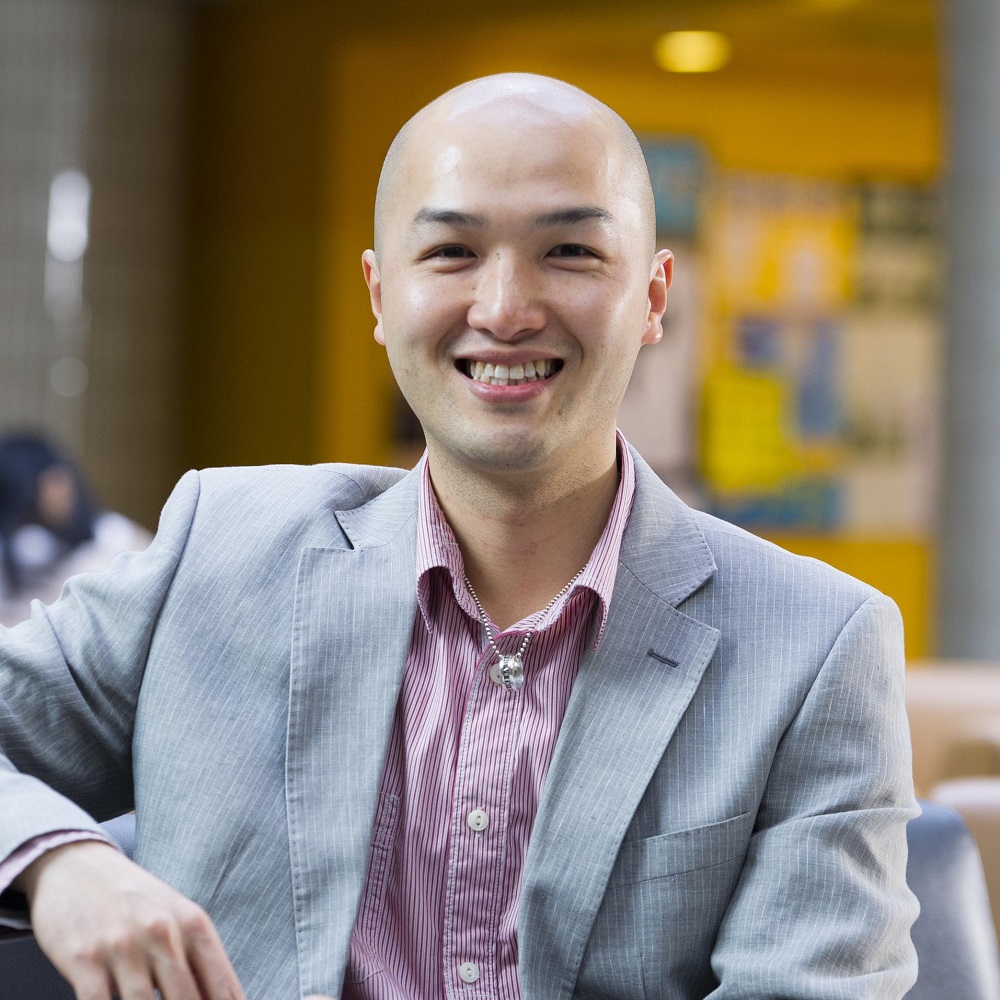
Dr Li and Professor Kwok Kin-on, Assistant Professor from The Jockey Club School of Public Health and Primary Care, CUHK, are both the co-corresponding and co-first authors of the article. Other co-authors include Professor Lee Shui-shan, Professor Samuel Wong Yeung-shan, and researchers from The Jockey Club School of Public Health and Primary Care, CUHK, as well as researchers from Sungkyunkwan University in Korea.
The research received funding support from the Research Grants Council, Health and Medical Research Fund, and Wellcome Trust.
DOI number: 10.1016/j.ijnurstu.2020.103854