CityUHK researchers develop next-generation radiative cooling technology. Providing energy-free cooling materials to combat global warming
City University of Hong Kong (CityUHK) researchers have made a remarkable scientific breakthrough in developing next-generation passive radiative cooling technology. Their pioneering work on cooling ceramics, pavements and textiles helps mitigate heat impacts without additional energy consumption. This innovation has promising application potential in buildings, roads and clothing, addressing issues such as urban heat islands and greenhouse gas emissions to combat the challenges of climate change.

(Photo credit: City University of Hong Kong)
The team established the start-up i2Cool in 2021 under the incubation of CityUHK's HK Tech 300 programme and developed a cooling paint for roofs and walls. Recent approval of funding from the Hong Kong government’s “Research, Academic and Industry Sectors One-plus Scheme” (RAISe+ Scheme) marks a significant step forward in accelerating the commercialisation and application of this groundbreaking innovation. The CityUHK team plans to establish manufacturing facilities and production lines by the end of 2026.
Space cooling energy consumption has more than tripled since 1990, resulting in a strain on electricity grids, increased greenhouse gas emissions, and the prevalence of urban heat islands. Extreme heat events and record-high temperatures worldwide have left many people around the world vulnerable to heat stress, adversely affecting thermal comfort, labour productivity and even human health.
PRC technology: offering an electricity-free cooling solution
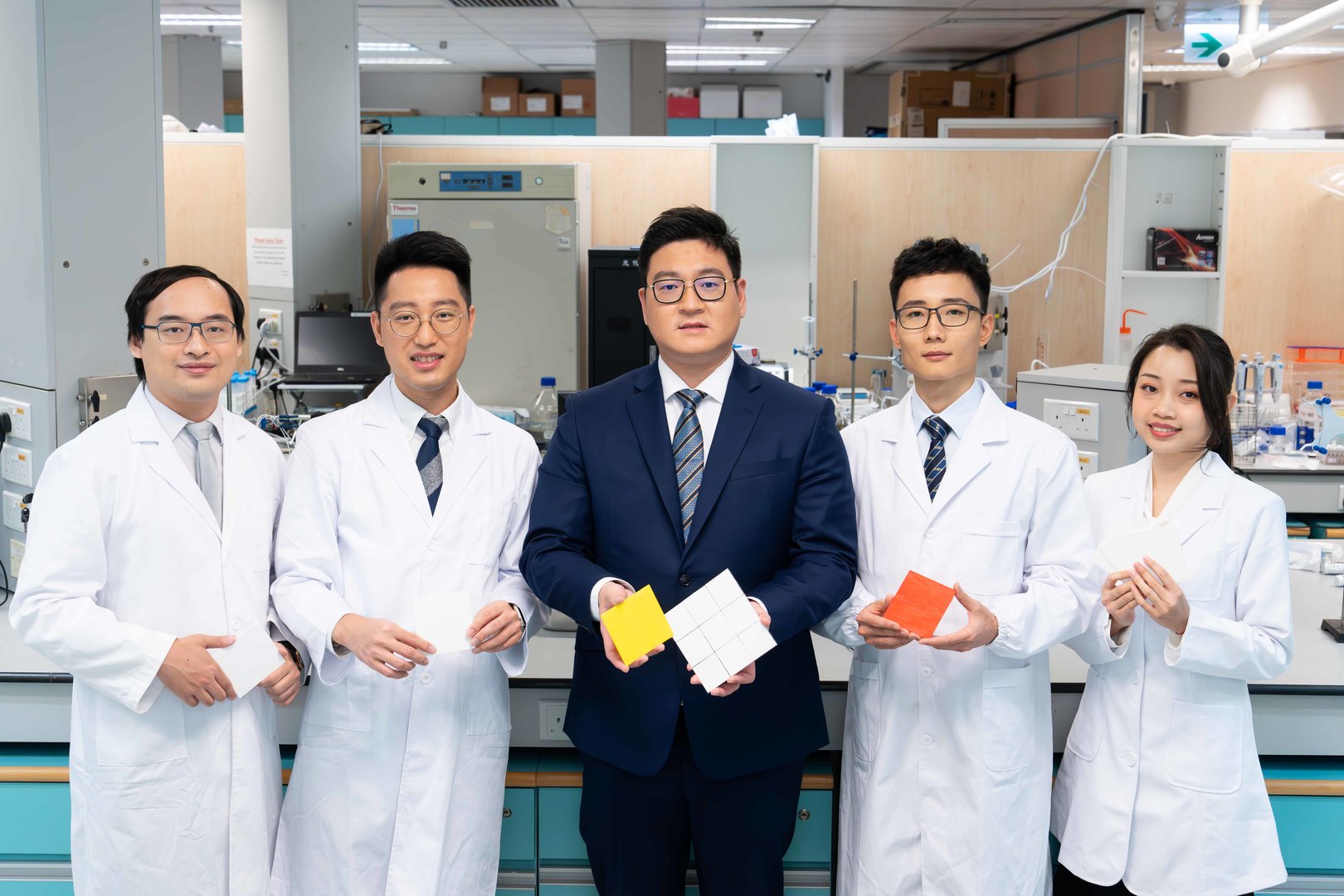
To address these challenges, a research team led by Professor Edwin Tso Chi-yan, from CityUHK’s School of Energy and Environment, has been focusing on developing passive radiative cooling (PRC) technology. “PRC technology is a universal solution to global warming, as it leverages high solar reflectivity and high mid-infrared emissivity to cool surfaces naturally by reflecting incoming sunlight and emitting thermal radiation to the cold universe, potentially reducing the surface temperature by at least 2°C,” explained Professor Tso. “This technology offers an electricity- and refrigerant-free cooling solution, mitigating the heat impact without additional energy consumption.”
Since 2022, the team’s PRC products, including cooling paint for roofs and walls, have been applied to over 1.07 million square feet in 20 countries and regions through the start-up platform i2Cool. Building on the success of the current generation of PRC products, the research team aims to further advance its PRC technology.
Continuous innovation: thermal management textiles reduce heatstroke risk
In their latest project, the researchers plan to expand the benefits and applications of PRC technology into three additional fields: cooling ceramics for building envelopes, pedestrian paths and public squares; cooling asphalt for roads; and thermal management textiles for personal clothing.
The first innovation involves developing passive radiative cooling ceramics (PRCCs) with high solar reflectivity and superb mid-infrared (MIR) emissivity. PRCCs have a porous structure that minimises solar absorption and resists degradation caused by ultraviolet (UV) radiation. Composed of pure inorganic materials which have low absorption of sunlight and heat, PRCCs offer excellent chemical stability and robust mechanical properties. These eco-friendly ceramics are suitable for long-term outdoor use, making them ideal for building envelopes, pedestrian paths and public squares. They can reduce solar heat gain and enhance the thermal radiation to the universe, thereby reducing the need for air-conditioning.
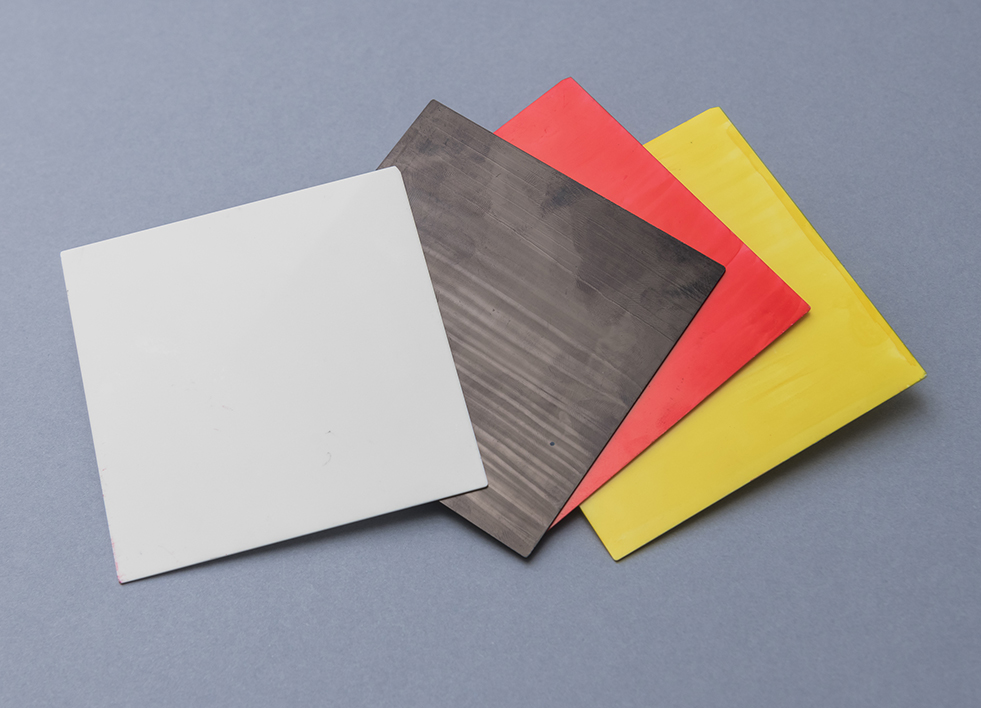

(Photo credit: City University of Hong Kong)
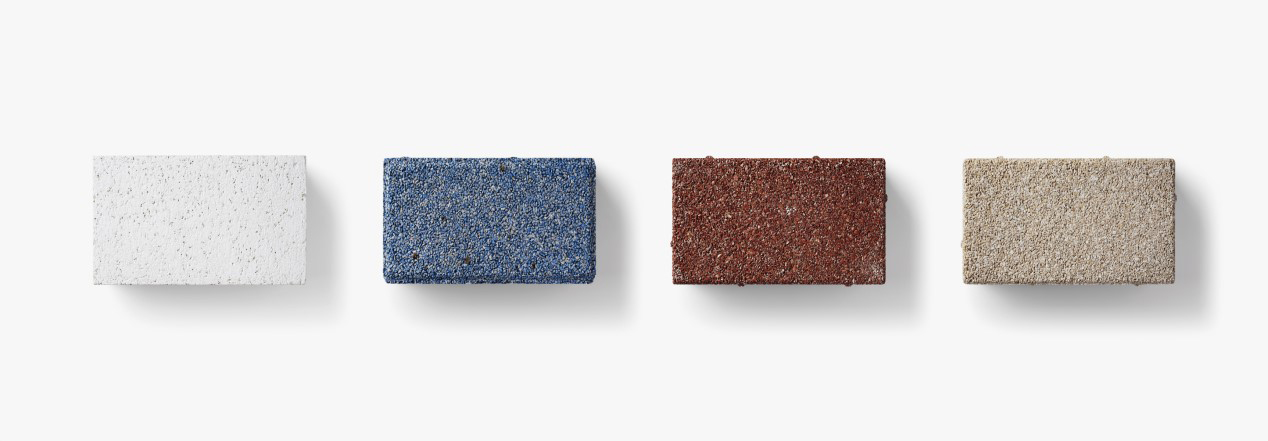
The team also aims to manufacture next-generation passive radiative cooling pavement (PRCP) to further mitigate the urban heat-island effect. Traditional asphalt contributes to high pavement surface temperatures, reaching up to 50°C to 60°C, due to the absorption of solar radiation during the day. “By incorporating inorganic particles that reflect more sunlight and reduce the road surface temperature, our PRCP enhances solar reflectivity and mid-infrared emissivity,” explained Professor Tso. The durable nature of PRCP also makes it suitable for urban roadways, even with heavy traffic, he added.

The team also aims to develop a biodegradable dual-mode thermal management textile (Bio-DTMT) that incorporates thermochromic particles, which automatically change solar reflectivity in response to room temperature, providing both cooling in summer and warming in winter.
Bio-DTMTs use eco-friendly fibres and polymers to create a multi-layered, hierarchically porous structure with nano-micro particles, enhancing solar reflectance and mid-infrared radiation emissions. The technology offers an electricity-free personal cooling solution, helps reduce heatstroke risk for outdoor workers and provides thermal comfort through personal clothing.
Collaborating with government and industry to accelerate technology transformation
With funding support from the RAISe+ Scheme, the CityUHK research team is determined to bring these groundbreaking cooling solutions to the global market as soon as possible. They plan to conduct comprehensive user trials for PRCCs, PRCP and Bio-DTMTs, in collaboration with various government departments, non-governmental organisations and industrial partners.
“Integrating PRC into these domains will help mitigate the urban heat-island effect, especially in hot regions, and provide personalised thermal comfort, thus contributing to a more sustainable and resilient community,” said Professor Tso. “Through global expansion and commercialisation of our invention, we are dedicated to bringing these transformative cooling solutions to regions in urgent need, addressing the climate crisis and creating a more sustainable and cooler world.”